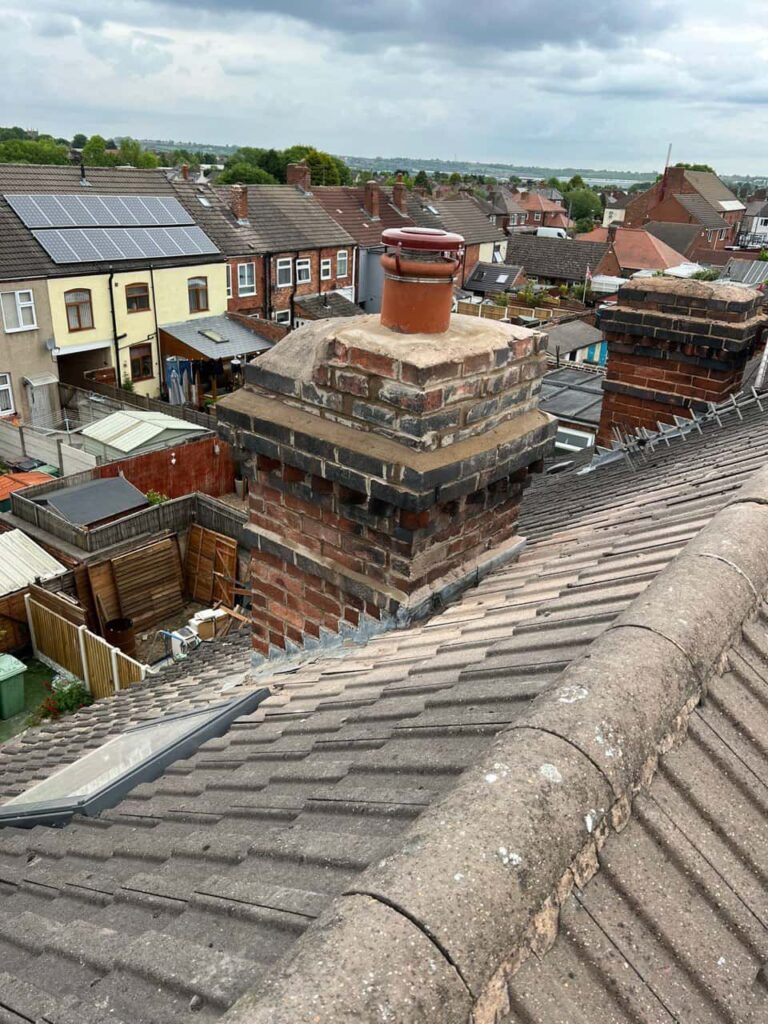
Understanding Two Similar Roofing Terms
“Re-roofing” and “new roof installation” are sometimes used interchangeably, but they can describe different types of work. Re-roofing normally means replacing the roof covering on an existing property, while a new roof may be installed on a newly built structure, an extension or a property requiring a completely rebuilt roofing system.
Understanding the distinction helps property owners in Marlow, Buckinghamshire, discuss their requirements clearly and recognise what may be involved before work begins.
What Does Re-Roofing Mean?
Re-roofing generally involves removing an ageing or deteriorated roof covering and replacing it with new tiles, slates or another appropriate material. The existing roof structure is retained where it remains sound.
Once the old covering has been removed, the exposed components can be inspected. Re-roofing may include:
- Removing old tiles or slates
- Inspecting the roof timbers
- Replacing damaged battens
- Installing suitable roofing underlay
- Fitting the new roof covering
- Renewing ridge, hip and verge details
- Replacing defective flashing
- Checking ventilation and drainage components
The purpose is to restore the performance of an existing roof without rebuilding more of the structure than necessary.
What Is Meant by a New Roof?
A new roof installation can refer to a complete roofing system fitted where one did not previously exist. This may be required for a new property, extension, garage or another newly constructed part of a building.
The term may also be used when an existing roof has deteriorated so extensively that both its covering and important supporting components require replacement. In this situation, the work goes beyond straightforward re-roofing.
A new roof project may involve:
- Constructing or replacing structural timbers
- Creating the correct roof shape and pitch
- Installing decking where required
- Adding underlay and battens
- Fitting tiles, slates or a flat roof system
- Forming valleys, ridges and hips
- Installing flashing around roof junctions
- Incorporating drainage and ventilation
The exact specification will depend on the building and the type of roof being created.
Why the Terms Can Cause Confusion
A completely renewed roof covering often looks like a new roof once finished, even if the original rafters remain in place. This is why contractors and property owners may use the two expressions differently.
Rather than relying on terminology alone, it is helpful to clarify:
- Whether the existing covering will be removed
- Which underlying materials will be replaced
- Whether structural work is required
- How flashing and roof junctions will be treated
- Whether the drainage and ventilation will be reviewed
- Which parts of the current roof will remain
A clear description of the proposed work is more useful than the project name by itself.
When Is Re-Roofing Usually Appropriate?
Re-roofing may be suitable when the external covering has reached the end of its dependable service life but the main roof structure remains sound.
Possible signs include:
- Widespread cracked or deteriorated tiles
- Repeated slipping of slates or tiles
- Brittle or failing roofing underlay
- Numerous leaks across different areas
- Extensive mortar deterioration
- Repairs becoming increasingly frequent
- General weathering across several roof slopes
A detailed inspection is required because visible deterioration does not reveal the full condition of the materials beneath.
When Might More Extensive New Roof Work Be Needed?
A more comprehensive installation may be necessary when problems extend beyond the tiles, slates or membrane. Structural movement, prolonged moisture exposure or significant timber deterioration can affect the roof’s ability to support a replacement covering.
Indicators may include:
- Noticeable sagging along the roofline
- Widespread deterioration of structural timbers
- Extensive decay beneath the covering
- Major changes to the roof’s design
- Failure across several layers of the roof system
- A newly built extension or separate structure
- An existing roof that cannot support the intended materials
Professional assessment helps establish whether the structure can be retained, strengthened or needs wider replacement.
Does Re-Roofing Mean Covering the Existing Tiles?
Not usually. A proper re-roofing project typically involves stripping the old covering so that the underlay, battens and accessible roof structure can be examined.
Installing a new covering without assessing what lies beneath could conceal moisture damage or weakened materials. Removing the existing covering gives the contractor an opportunity to correct hidden defects and create a suitable base for the replacement roof.
What Happens After the Old Covering Is Removed?
The condition of the underlying roof becomes much clearer once the tiles or slates have been stripped. The contractor can inspect the battens, underlay, decking and accessible timbers before proceeding.
This stage may reveal:
- Damp or decayed battens
- Torn or degraded underlay
- Localised timber damage
- Inadequate support around openings
- Poorly formed previous repairs
- Weaknesses around chimneys or valleys
Any necessary corrective work should be completed before the new covering is fitted. This prevents new materials from being installed over unresolved defects.
How Are the Right Materials Selected?
Material selection should consider the roof pitch, structural capacity, level of exposure and appearance of the property. Tiles, slates, fixings, battens and underlay must also be compatible with one another.
The roof covering is only one part of the system. Appropriate flashing, ventilation and drainage details are equally important because they protect vulnerable junctions and help the roof manage moisture effectively.
Why Professional Installation Matters
Whether the project is described as re-roofing or a new roof installation, its long-term performance depends on preparation and workmanship.
A professional roofing contractor should ensure:
- The supporting structure is suitable
- Defective materials are not concealed
- Tiles or slates have the correct overlap
- Fixings are appropriate and secure
- Flashing is formed accurately
- Valleys and drainage routes work effectively
- Ridges, hips, verges and eaves are properly finished
- Ventilation is considered as part of the roof system
These details help the roof perform consistently rather than relying solely on the quality of the visible covering.
Conclusion
Re-roofing usually involves renewing the covering and associated components of an existing roof while retaining a sound underlying structure. A new roof installation may involve constructing a roof for a new building or replacing more extensive parts of an existing roofing system.
Because the terms can overlap, the most important step is establishing exactly which components need to be removed, repaired or installed. LS Roofing Marlow can inspect your roof and recommend an appropriate approach based on its condition. Contact our team for professional roofing services in Marlow, Buckinghamshire.
Call us on: 01628 562 896
Click here to find out more about LS Roofing Marlow
Click here to complete our contact form and see how we can help with your roofing needs.